The Cost of Convenience

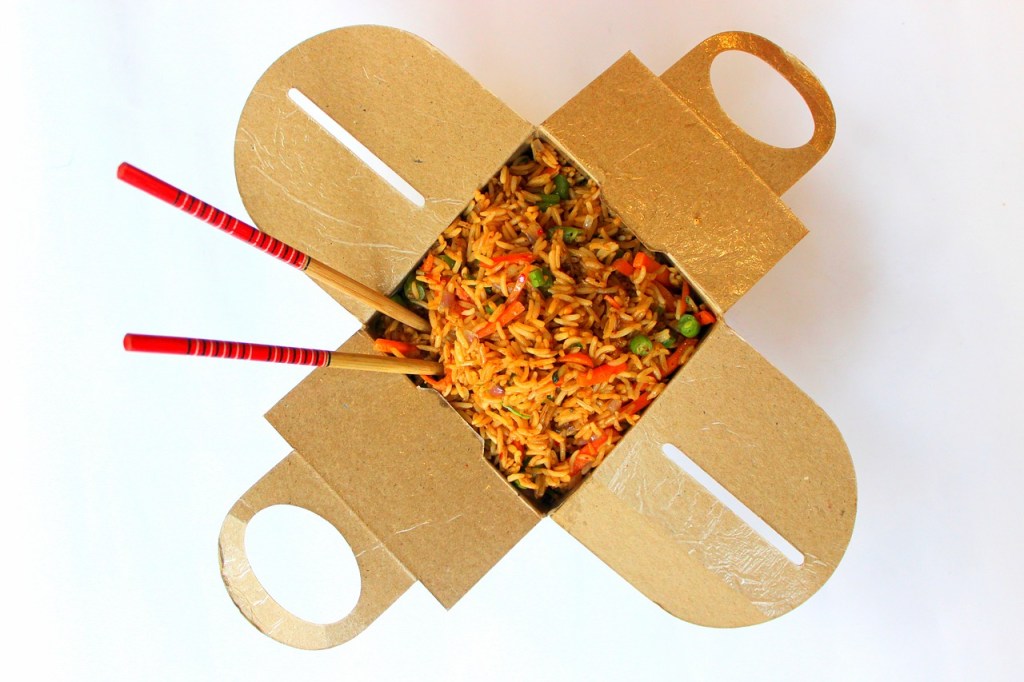
Image by piyalis14 from Pixabay
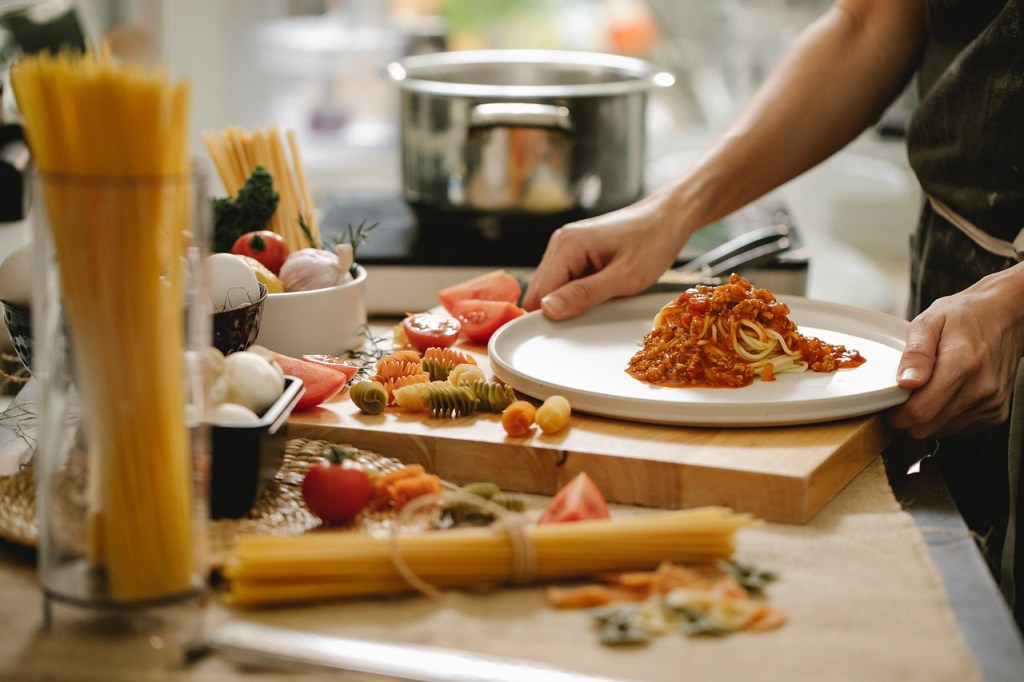
Image by Abdulmajeed Hassan from Pixabay

I was washing up after my evening meal recently and started thinking about the relative costs of home-cooked food ( I have written about the latter in another blog [https://writeon.live/2018/11/19/what-constitutes-a-home-cooked-meal/ ]) compared with convenience options, such as takeaway (as we refer to it in the UK) meal boxes, and so on.

Just to clarify, I’m not planning to do calculations on this (for now) – just refer to the factors that would contribute to them. some of this would be difficult anyway, because you have to be sure that you’re comparing like with like, and there are so many variables to take into account.

It occurred to me that maybe there are items (or factors) that aren’t generally taken into account when calculating the costs of each type of meal.

I will start with the home-cooked meal.

  • Shopping
  • Cost of raw ingredients
  • Time taken in preparation
  • Cost of fuel

If you shop for ingredients, you have to get to the shop (transport) and take time doing it. As time = money, I’m including it here.

If you choose to do your shopping online, you eliminate the cost of transport, and the time is reduced, however, you have to pay a charge for the delivery, so that is an additional cost.

All the food you buy costs money (unless it’s been given to you, or you got it from a food bank). If an ingredient is purchased, and not all of it is used, some may be wasted, but you still pay the full cost of it.

You will take some time to prepare the food (unless it’s something you eat raw, such as fruit, or you eat it straight from the fridge, like yoghurt, etc.) so the cost of your labour must be factored in.

Cooking the food will consume fuel/energy (gas, electricity, etc.) so this must be included in the cost.

if you make more food than you need and then don’t eat it before it needs to be disposed of, then that’s clearly money wasted. However, leftovers that are saved for future lunches or dinners, or portioned up and frozen for meals further down the line will save money (although if I were to be pedantic, I would have to include the cost of storing the food in the fridge or freezer, as well as the space taken up by it, and the cost of fuel used to defrost and reheat the leftovers).

Menu boxes

These have become quite popular in recent years. For your payment (plus the cost of delivery) you receive a box containing everything you need to prepare a specific meal, along with the recipe. The quantities have already been measured out for the number of portions required, so there won’t be any wastage, especially of expensive and/or rarely used ingredients (unless you don’t like the meal once prepared, or make a hash of the preparation!)

Some modern kitchens don’t contain a large amount of storage space, so not having to make room for foods that aren’t often used may be a factor in some people’s choices. Also, the fact that the menu box is a one-off meal arguably promotes variety and minimises the likelihood of boredom from having the same foods recycled repeatedly.

Ready Meals

These are the meals purchased from the supermarket etc. Usually, they just need heating through in the oven or microwave. The costs are just the meal and the cost of the heating. Some ready meals (such as those targeted at older people) are delivered. I’m unsure if there’s a delivery charge for them. There are versions of these meals that you don’t have to freeze, and which have a long shelf life.

Takeaways

The costs involved here are those of the food and its delivery. If the meal needs to be reheated, that adds a further cost. The cost per portion will increase proportionately if you don’t eat all of the food.

Can you put a cost on the nutritional value of food?

One of the ways people justify their preference for preparing and cooking their own food at home is the superior nutritional value of the meals. There is some evidence to support this; processed foods often contain higher levels of salt, sugar, and saturated fats, as well as the inevitable preservatives, etc. This is not to claim that food people prepare and cook themselves will be superior on these metrics, just that there is a strong probability that it will.

There is plenty of evidence that a poor diet has negative impacts on health, so the answer to that question for me would be yes, but more in terms of philosophy than reality.

I’m not trying to convince anyone, including myself, in this piece, so there is no conclusion. Everyone has to make their own decisions, based on the amount of time, money, etc. at their disposal.
Sugar in Cooking

Most households, no matter how rudimentary their store cupboards (and we discovered during the Covid pandemic how poorly stocked with food a lot of people’s homes were) would have a bag of granulated sugar – or at least some sugar in a bowl. As well as being used to sweeten tea or coffee (for those people who still take sugar in those drinks) it’s also used for other basic culinary purposes, such as adding to pancakes, sweetening fruit for crumbles, pies and compotes, etc. Last month, I prepared a batch of pancakes and ate them topped with sugar and lemon juice. Some people add it to savoury sauces and I know it was an ingredient in my late aunt’s vinaigrette recipe. I refer to some of the other (sometimes surprising) foods containing sugar in my blog piece: The Ubiquity of Sugar, which can also be found on this site.

As well as this basic form of sugar, there is a wide variety of other types of sugar, which can be used to add subtle flavours and complement the dish being prepared.

Sugar is manufactured either from sugar cane or sugar beet. In either case, the processing involves the separation of the sugar from the plant, usually by dissolving, followed by crystallisation when the water is removed. This process produces white sugar, which is the purest form, although it lacks the nutrients present in its darker analogues.

All sugars are carbohydrates and contain molecules of sucrose, which has the chemical formula C12H22O11. This means that each molecule contains 12 atoms of carbon, 22 atoms of hydrogen and 11 atoms of oxygen.

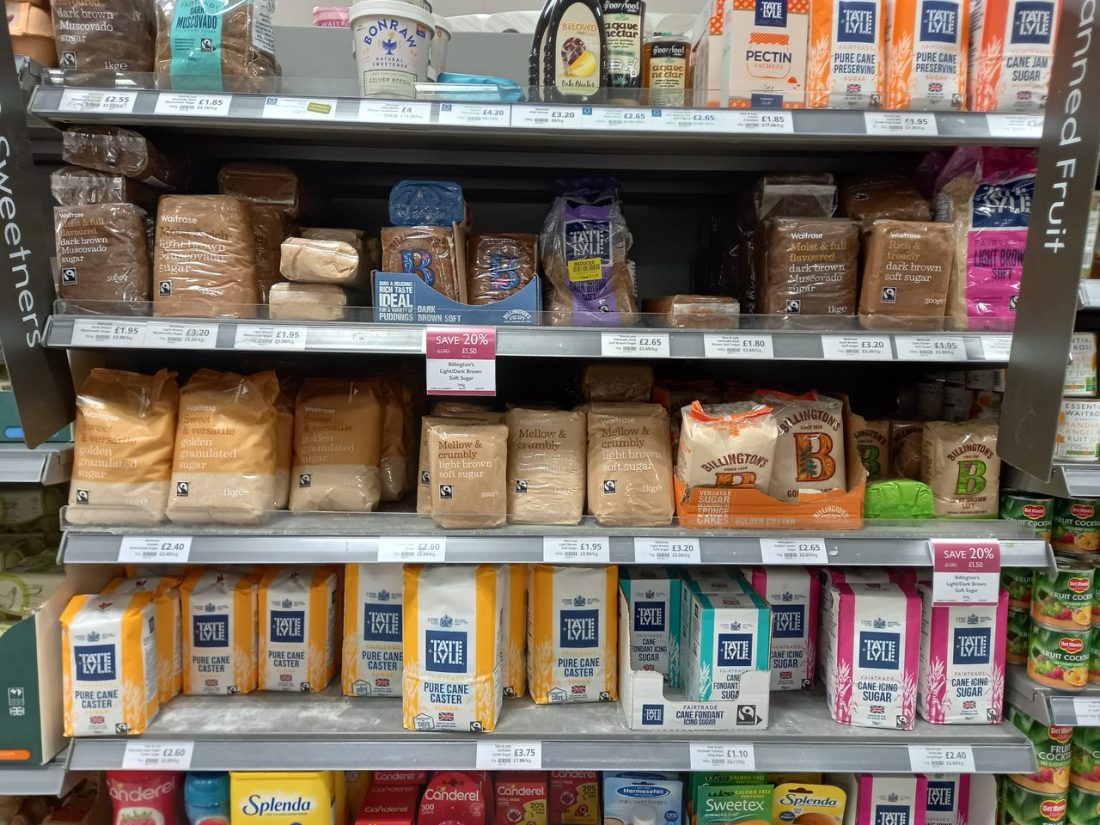
Supermarket sugar display, March 2023 – with acknowledgement to Waitrose and Partners for permission to take and use the image

Granulated sugar

As I suggested in my introduction, granulated sugar is the most ubiquitous form of sugar. Its crystals are larger than all other types apart from Demerara sugar. Thinking about my own use of it, the jar comes out of the cupboard most often to add a teaspoon to the mixture when I make a loaf of bread in my bread-making machine. It’s needed as food for the yeast.

In recent years, white granulated sugar has been joined by its golden counterpart on supermarket shelves. Golden (or brown) sugars have a caramel flavour that can enhance some recipes.

Caster sugar

Caster sugar is the most common way in which cakes are sweetened. Its grains are smaller than those of granulated sugar, to allow it to incorporate more easily into the cake mixture. These days, in addition to white caster sugar, you can also buy golden caster sugar, and I tend to prefer it, even in sponge cakes.

Icing sugar

This is sugar that has been powdered, i.e. ground down into very fine particles. Until relatively recently, icing sugar was exclusively white, but a golden version is also now available. It has a slightly caramelised taste.

As the name suggests, this product is used to prepare the coverings for cakes. Water icing involves the sugar being mixed with a liquid such as water or lemon juice and the powder texture enables it to dissolve easily in liquids without leaving a grainy residue.

Buttercream icing (and various varieties of frosting) contains some form of fat, such as butter, as well as flavourings.

Demerara sugar

This is a type of raw sugar extracted from sugar cane. It has a large crystal size and is often used to top baked goods. Some people add it to drinks to sweeten them.

Soft brown sugar (light and dark)

Soft brown sugar is granulated sugar to which treacle and syrup have been added to create the characteristic colour and flavour. It can be manufactured either from sugar cane or sugar beet.

Muscovado sugar

This is a partially refined product from sugar cane with high molasses content. Light and dark varieties are available. Brown sugars are good in recipes such as gingerbread, where their flavour enhances the finished cake. It’s also often added to barbecue sauces to glaze meat before cooking.

Molasses sugar

This is a type of sugar that has been through minimal refining. It’s very dark brown in colour with an intense aroma and taste of treacle. I use it in my Christmas cake and Christmas pudding, where its flavour complements the richness of the other ingredients, such as dried fruits and nuts.

Preserving sugar

This is a specialist type of sugar which is recommended for the making of preserves, such as jam or marmalade. It has large crystals that dissolve slowly and minimise froth when the jam or marmalade is being prepared. A subset of this type of sugar is called jam sugar.

Whereas preserving sugar is 100% sugar, jam sugar also contains pectin, a setting agent, and is recommended for preserves in which the fruit doesn’t have enough natural pectin (such as strawberries).

Sugar cubes

These are forms of sugar compressed into cubes, which can be conveniently added to drinks such as tea or coffee. They are uniform in size and allow a consistent amount of sugar to be added each time, which might not be the case if a spoon is used.

They are generally available in white or brown varieties.

Summary of sugar types and properties

Type of sugarColourFineness of grainAroma (if any)
Granulated (white)WhiteFine crystals
Granulated (golden)Light brown Fine crystals
Caster (white)WhiteVery fine crystals
Caster (golden)Light brownVery fine crystals
Icing (white)WhitePowder
Icing (golden)Light brownPowderCaramel
DemeraraLight brownCoarse crystalsCaramel
Brown (light)Light brownFine crystals (moist)Caramel
Brown (dark)Dark brown Fine crystals (moist)Treacle
Muscovado (light)Light brownFine crystals (moist)Caramel
Muscovado (dark)Dark brownFine crystals (moist)Treacle
MolassesVery dark brownFine crystals (moist)Strong treacle
Preserving/JamWhite Large crystals

Golden syrup and treacle

These are products made from sugar, and also used in cooking; however, they are liquids, albeit with a high viscosity. It is possible to buy molasses as well, although it’s much less readily available than the other items mentioned in this piece.